

When choosing a rug, size matters. But material matters just as much. The fibre changes how the rug feels underfoot, how it handles spills, how much maintenance it needs and whether it suits the way your household actually lives.
Some rugs are chosen for texture and warmth. Others are chosen because they can handle kids, pets, dining chairs and everyday mess without becoming precious. The trick is not finding the one "best" rug material. It is matching the material to the room.
This guide compares the three rug materials people ask about most often: jute, wool and polypropylene. If you are browsing while you read, compare our in-store rugs and online-only rugs.
Quick Comparison: Jute vs Wool vs Polypropylene Rugs
If you just want the fast version, think of the materials like this: jute is natural and textured, wool is soft and premium, and polypropylene is practical and easy-care.
| Material | Best For | Feel | Watch Out For |
|---|---|---|---|
| Jute | Relaxed living rooms, bedrooms, layered styling and natural interiors | Firm, textured and organic underfoot | Moisture, frequent spills and messy dining zones |
| Wool | Living rooms, bedrooms, lounges and comfort-focused spaces | Soft, warm and premium | New-shedding, higher price and careful cleaning |
| Polypropylene | Family rooms, dining rooms, hallways, kids, pets and high-traffic homes | Smooth, consistent and easy-care | Less natural texture than jute or wool |
Material rule
Do not choose the rug material from the photo alone. Choose it from the room. A beautiful jute rug under a messy dining table can become a problem, while polypropylene in a busy family room can be the low-stress hero.
Jute Rugs: Natural Texture and Relaxed Warmth
.jpg)
Jute rugs are made from natural plant fibres and are popular for their relaxed, organic look. They bring warmth and texture into a room without feeling heavy or overly formal.
They work especially well in coastal, minimalist, Scandinavian and relaxed Australian interiors where the room needs natural texture rather than plush softness.
What Jute Rugs Feel Like
Jute rugs have a firm, textured feel underfoot. They are not soft in the same way as wool, but that texture is the point. It gives the floor a natural, earthy character.
Because jute is a natural fibre, the weave often includes slight colour variations, knots and small organic inconsistencies. That is normal and part of the relaxed look.
Where Jute Rugs Work Best
- living rooms
- bedrooms
- low-traffic sitting areas
- layered under other rugs
Things to Consider with Jute
- not ideal for frequent spills
- can absorb moisture
- best suited to dry indoor areas
- less practical under messy dining tables
Jute is a great choice when you want natural texture in a calm room. It is less forgiving when the room involves pets, wet shoes, food spills or heavy cleaning.
Wool Rugs: Soft, Warm and Premium
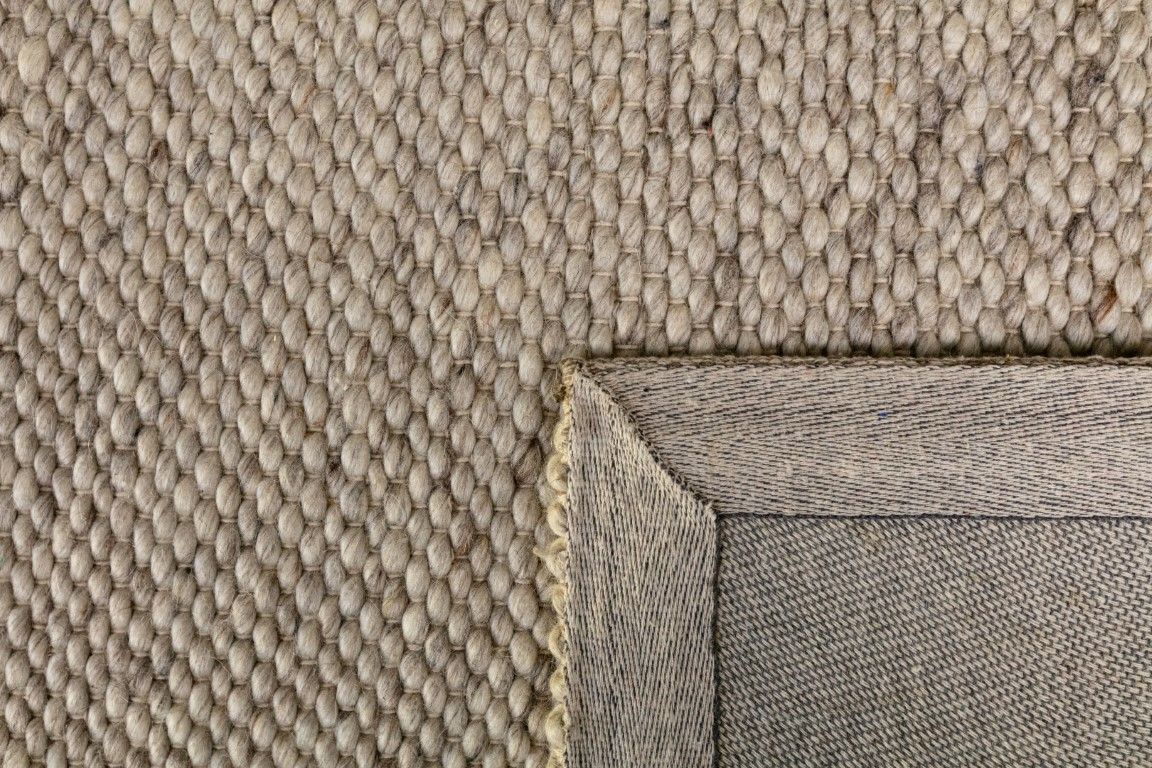
Wool is one of the most traditional and premium rug materials. It is loved for its softness, warmth, comfort and durability.
A good wool rug can make a living room or bedroom feel more settled straight away. It has a softer feel than jute and usually brings more warmth underfoot than a synthetic rug.
What Wool Rugs Feel Like
Wool rugs are naturally soft and comfortable. They also have a subtle elasticity, which helps them recover from foot traffic and furniture weight better than many flatter materials.
Tight wool loop rugs can also work in homes with cats or dogs, but care still matters. Avoid aggressive vacuum heads and heavy brushing, especially on looped or textured wool styles.
Where Wool Rugs Work Best
- living rooms
- bedrooms
- lounges
- comfort-focused sitting areas
Things to Consider with Wool
- some wool rugs shed slightly when new
- wool generally costs more than synthetic rugs
- regular gentle vacuuming helps keep it looking its best
- avoid rotation brush vacuum heads on wool rugs
- rotate occasionally so wear spreads more evenly
Wool care tip
Use low suction and avoid aggressive rotation brush heads on wool rugs. That helps reduce unnecessary shedding and protects the surface over time.
Polypropylene Rugs: Practical, Durable and Easy-Care
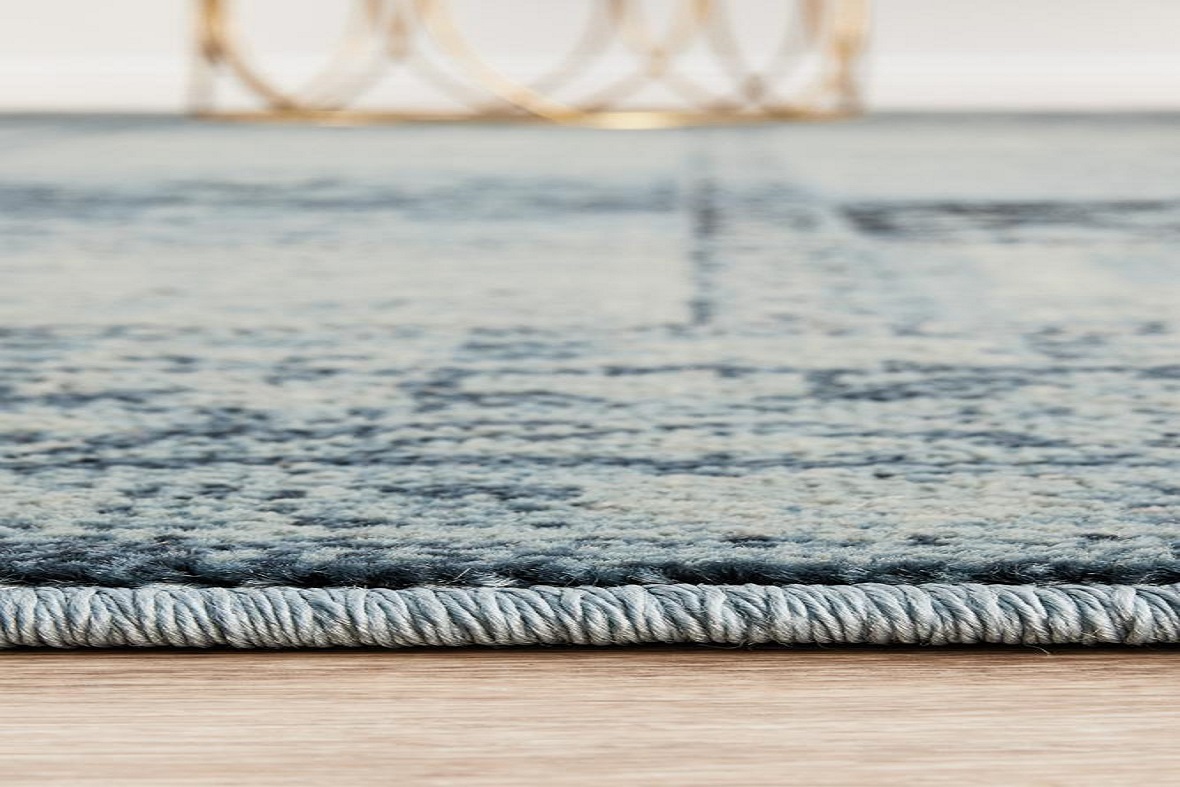
Polypropylene rugs are made from synthetic fibres designed for durability and easy care. They have become extremely popular because they handle everyday life so well.
For households with kids, pets, shoes, crumbs and high-traffic zones, polypropylene is often the safest rug material to start with.
What Polypropylene Rugs Feel Like
Modern polypropylene rugs can look surprisingly close to natural fibre rugs, but they are generally easier to maintain. The texture is often smoother and more uniform than wool or jute.
Where Polypropylene Rugs Work Best
- dining rooms
- hallways
- family living rooms
- homes with kids or pets
- busy everyday spaces
Things to Consider with Polypropylene
- virtually non-shedding
- stain-resistant and easy to clean
- usually less natural in feel than wool or jute
- not as textured as natural fibres
Polypropylene fibres are also naturally water-resistant. If you plan to use a rug outdoors, choose a style specifically labelled indoor/outdoor, as those rugs are designed for sun and weather exposure.
Choosing the Right Rug Material for Your Home
The best material usually becomes obvious once you look at how the room is used.
- Choose jute if you want natural texture, earthy warmth and a relaxed look in a dry indoor space.
- Choose wool if comfort, softness and warmth matter most.
- Choose polypropylene if practicality, durability, easy cleaning and low shedding are the priorities.
The goal is to choose the material that suits your everyday life, not just the one that looks best in a styled photo.
| Room or Lifestyle | Best Starting Point | Why |
|---|---|---|
| Calm bedroom | Wool or jute | Both add warmth and texture where spills are less common. |
| Family living room | Polypropylene or wool | Polypropylene is easier-care. Wool feels softer and warmer. |
| Dining area | Polypropylene | More forgiving with food, spills and chair movement. |
| Natural coastal look | Jute | Gives an earthy, relaxed texture without thick pile. |
| Pets and kids | Polypropylene | Low maintenance, stain-resistant and virtually non-shedding. |
Do Not Forget Rug Underlay
The material is only part of the decision. If the rug is going on timber, tile or laminate, underlay can help reduce movement, protect the floor and make the rug feel more secure.
A proper rug underlay is especially useful in hallways, living rooms, kids' zones and any room where the rug is likely to shift underfoot.
Underlay will not turn the wrong rug material into the right one, but it can make a good rug work better in the space.
More Rug Buying Guides
If you are still narrowing down size, material, texture, cleaning needs or style, these rug guides will help you make the next decision without guessing.
- Rug Size Guide: How to Measure and Place a Rug in Every Room
- The Hallway Transformation: 5 Ways a Runner Can Elevate Your Entrance
- Best Rugs for Kids and Pets: Stain-Resistant, Low-Shed and Washable Options
- How to Clean Rugs at Home Without Damaging Them
- Rug Texture Guide: Flatweave, Shag, Cut Pile and Loop Pile
- Rug Styles Explained: Modern, Traditional, Transitional, Shag, Jute and Outdoor Rugs
Frequently Asked Questions
Which rug material is best for pets?
Polypropylene is often the most practical option for homes with pets because it resists stains, is virtually non-shedding and is easy to clean. Low pile polypropylene rugs also make vacuuming pet hair easier.
Do wool rugs shed?
Some wool rugs shed slightly when they are new. This is normal and usually settles with regular gentle vacuuming. Avoid using aggressive rotation brush vacuum heads on wool rugs.
Are jute rugs soft?
Jute rugs are more textured than soft. They feel natural and slightly firm underfoot rather than plush, which is part of their relaxed, organic look.
Can polypropylene rugs be used outdoors?
Some polypropylene rugs can work outdoors, but choose styles specifically labelled indoor/outdoor if they will be exposed to direct weather, sun or moisture.
Do I need an underlay for my rug?
If your rug is placed on timber, tile or laminate floors, underlay helps reduce slipping, protects the floor and can make the rug feel more comfortable and secure underfoot.
Choose the Rug Material That Fits Your Home
Jute, wool and polypropylene can all be the right choice, but not for the same room. Choose jute for natural texture, wool for softness and warmth, or polypropylene for easy-care family practicality.
If you would rather feel the difference in person, bring photos and room measurements into our Richmond showroom. We can help you compare rug materials, pile heights, colours and underlay options before you order.
Browse rugs Or visit our Richmond showroom at 365 Swan St, Richmond VIC 3121.
Family owned since 1956.